In 40 seconds
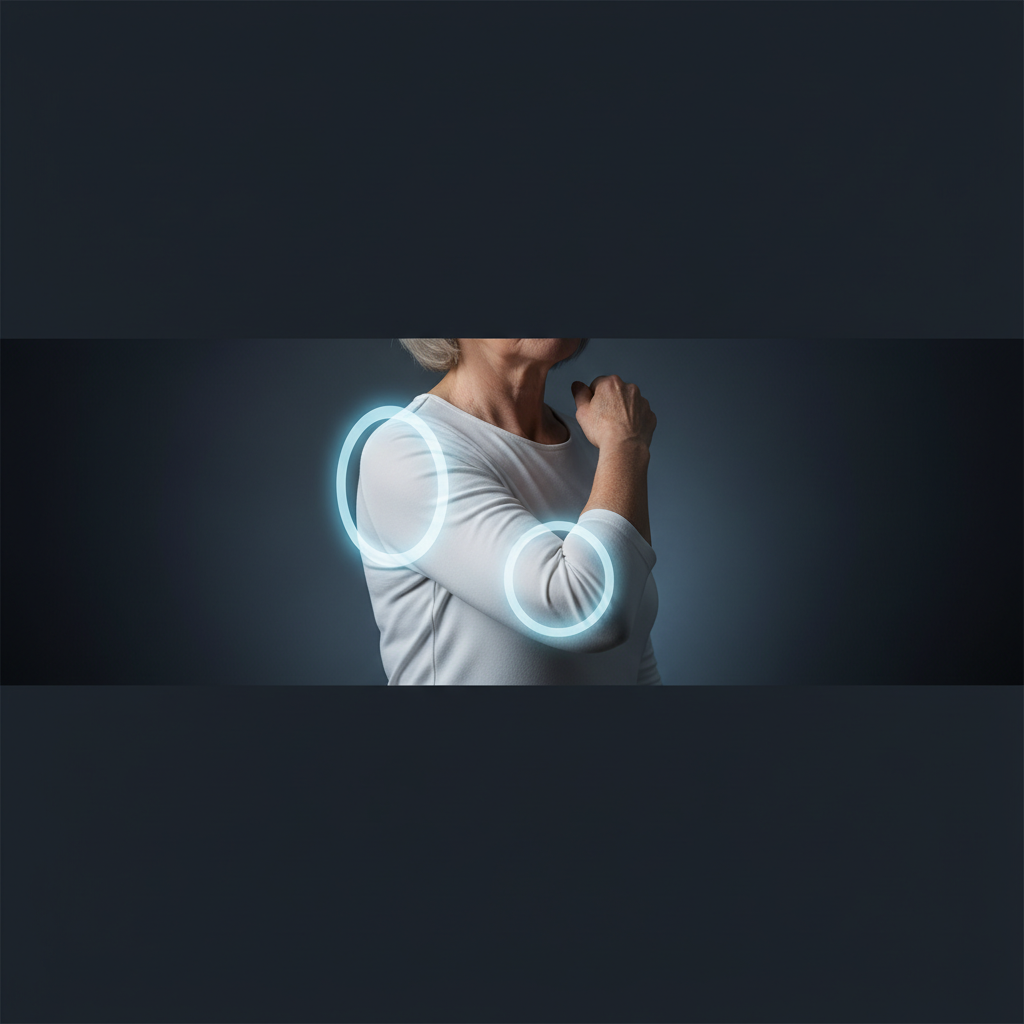
Bursitis is inflammation of a bursa — a small fluid-filled sac that cushions joints and tendons. Common sites: shoulder (subacromial), hip (trochanteric), elbow (olecranon), and knee (prepatellar, pes anserine). PEMF therapy reduces bursal inflammation and improves drainage, often producing meaningful relief within 2–3 weeks. Typical UK protocol: 2 sessions per week for 4 weeks. Septic bursitis must be excluded before treatment.
Quick facts
- Common sites: Shoulder, hip, elbow, knee
- Causes: Repetitive use, prolonged pressure, injury, infection
- PEMF role: Reduces inflammation, improves drainage
- Sessions: 2× per week for 4 weeks
- Hard exclusion: Septic bursitis (infection)
How PEMF helps bursitis
- Reduces inflammatory cytokines in the bursa
- Improves microcirculation, supporting fluid drainage
- Reduces surrounding tissue irritation
- Supports return to normal joint mechanics
Typical UK protocol
| Phase | Frequency | Duration |
|---|---|---|
| Acute | 2–3× per week | 2 weeks |
| Resolution | 2× per week | 2 weeks |
| Return to activity | Weekly | 2 weeks |
Contraindications
Hard exclusions — do not have PEMF if any apply:
- Pacemaker, implantable cardioverter-defibrillator (ICD), or any cardiac electronic device
- Cochlear implant or other implanted electronic hearing device
- Spinal cord stimulator, deep-brain stimulator, vagus nerve stimulator
- Intrathecal pump or implanted drug pump
- Insulin pump (continuous glucose monitors are usually fine — confirm with the clinic)
- Active infection at the treatment site
- Pregnancy — when treatment would be over the abdomen, lumbar spine, or pelvis
Discuss with your GP or specialist before booking if any apply:
- Active malignancy or recent cancer history (oncologist clearance required)
- History of seizures or epilepsy
- Multiple sclerosis or other neurological condition under specialist care
- Anticoagulant therapy (PEMF itself does not thin blood, but bruising risk if local circulation is already compromised)
- Children under 14 (most UK clinics will not treat under-18s without paediatric specialist input)
- Recent surgery within the last 14 days at the treatment site (confirm with surgeon)
NOT contraindications — these are commonly misunderstood:
- Plates, rods, screws and other passive metal orthopaedic hardware
- Dental implants and dental crowns
- Joint replacements (hip, knee, shoulder)
- IUDs (copper or hormonal)
- Tattoos and piercings (jewellery should be removed for the session)
Specific to this condition: Septic bursitis is a hard exclusion until the infection is fully treated.
Frequently asked questions
Does PEMF help bursitis?
Yes. Bursitis is fundamentally an inflammation problem — and PEMF's strongest single effect is reducing inflammation. It also improves circulation in the affected area, which helps drainage and reduces fluid build-up in the bursa.
Which bursae respond best?
Most superficial and deep bursae respond similarly: shoulder (subacromial), hip (trochanteric), elbow (olecranon), knee (prepatellar, pes anserine). Pain reduction is usually noticeable within 2–3 weeks.
Should I have a steroid injection or PEMF?
Steroids work fast but are limited in number and can weaken surrounding tissue with repeated use. PEMF works more gradually but has no such downside. Many practitioners now combine them — injection for rapid relief, PEMF to support resolution and prevent recurrence.
What about septic bursitis?
Septic bursitis (infected bursa) is a hard contraindication for PEMF until the infection is fully treated. Septic bursitis usually presents with redness, warmth, fever — not just pain.
How many sessions?
Typically 2 per week for 4 weeks, sometimes longer for chronic or recurrent cases.
Looking for a PEMF clinic near you?
We list every credible PEMF therapy provider in the UK so you can find one near home.